Rural Uganda off power
42.4%of rural Ugandans have electricity, against 76.4% in urban areas.
World Bank WDI, 2023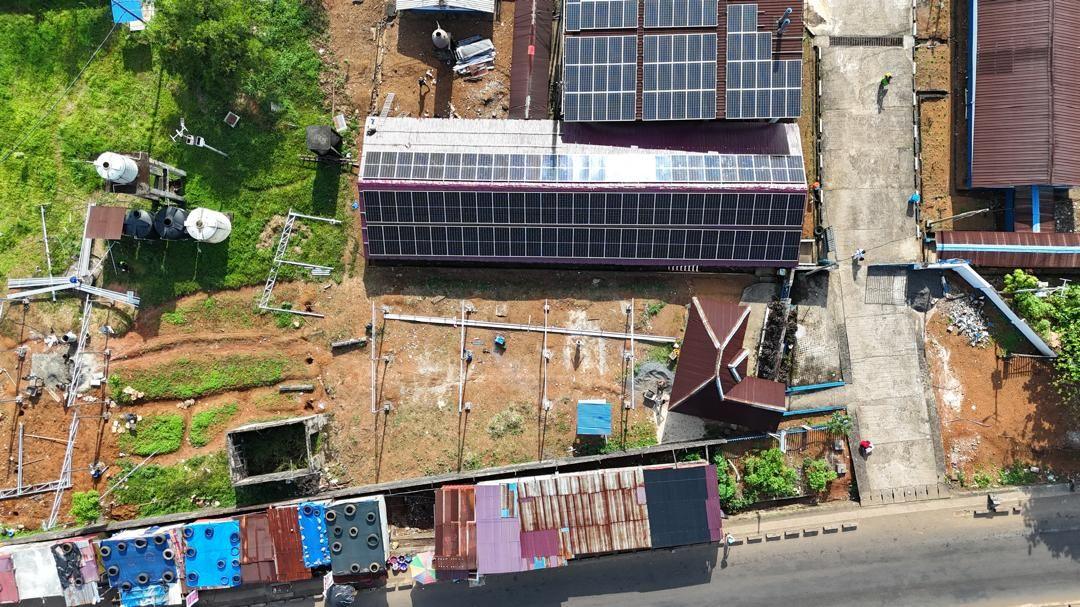
Why SNF · The evidence
Energy poverty, rain-fed farming and shrinking aid are hitting refugees and host families at the same time. Here are the facts, the trends and the sources behind our work.
Key statistics
01 West Nile at a glance
West Nile’s 12 districts and Arua City are home to some of Africa’s largest refugee settlements. Refugees and host communities share the same land, water, forests, schools and health centres — and the same gaps. We began in Adjumani District, where all our current projects are, and our work is for the whole region.
02 Access to clean energy
Without power, clinics cannot store vaccines, pupils cannot study after dark and businesses cannot grow. Cooking with wood costs health, time and forests.
Clean cooking: the Government’s Energy Transition Plan puts national clean-cooking access at only about 15% (Energy Transition Plan), and the 2023 refugee energy assessment found just 18% of refugee households own energy-efficient stoves (Refugee energy outcome 2023).
03 Smart & modern agriculture
Most households farm, yet almost none can irrigate. In 2025 deep cuts to food assistance pushed refugee families to depend on small plots that fail in dry spells.
04 Economic development
Poverty is falling across Uganda, yet more than half of West Nile households still live in a subsistence economy and half of its young people are neither working nor learning.
05 The funding gap
Humanitarian funding for Uganda’s refugee response has fallen sharply while the number of refugees keeps rising. Solutions that communities own and can sustain are needed now.
Eight connected challenges
of rural Ugandans have electricity, against 76.4% in urban areas.
World Bank WDI, 2023of refugee households rely on firewood or charcoal; only 18% have efficient stoves.
GRF energy outcome, 2023of refugee and host households respectively are connected to the national grid.
GRF energy outcome, 2023of Uganda’s irrigable land is irrigated; over 96% of farming households are rain-fed.
2024 Uganda Water Accountsrefugees lost food assistance in 2025; most others receive 30% of a full ration.
WFP, 2025of Ugandan youth aged 15–24 are not in employment, education or training — 50.5% in West Nile.
UBOS Census 2024of West Nile households operate in a subsistence economy; unemployment is 18.5%.
UBOS West Nile profile 2024Humanitarian funding fell from $490M (2018) to $130–140M (2025); health services closed in 11 settlements.
UNHCR data via Africa.com; IRCOur response
Because the challenges are connected, our answers are too: power that runs pumps and cold rooms, farms that earn income, and young people trained to keep it all working.
Solar for health centres and schools, clean cooking and solar homes, and a community mini-grid.
Energy projectsSolar irrigation, Permagardens and nutrition, and cold storage that turns harvests into income.
Agriculture projectsA youth solar technician academy, women’s savings groups and community-led planning.
Development projectsEvery project responds to a need shown on this page. Partner with us, offer expertise or support a project.