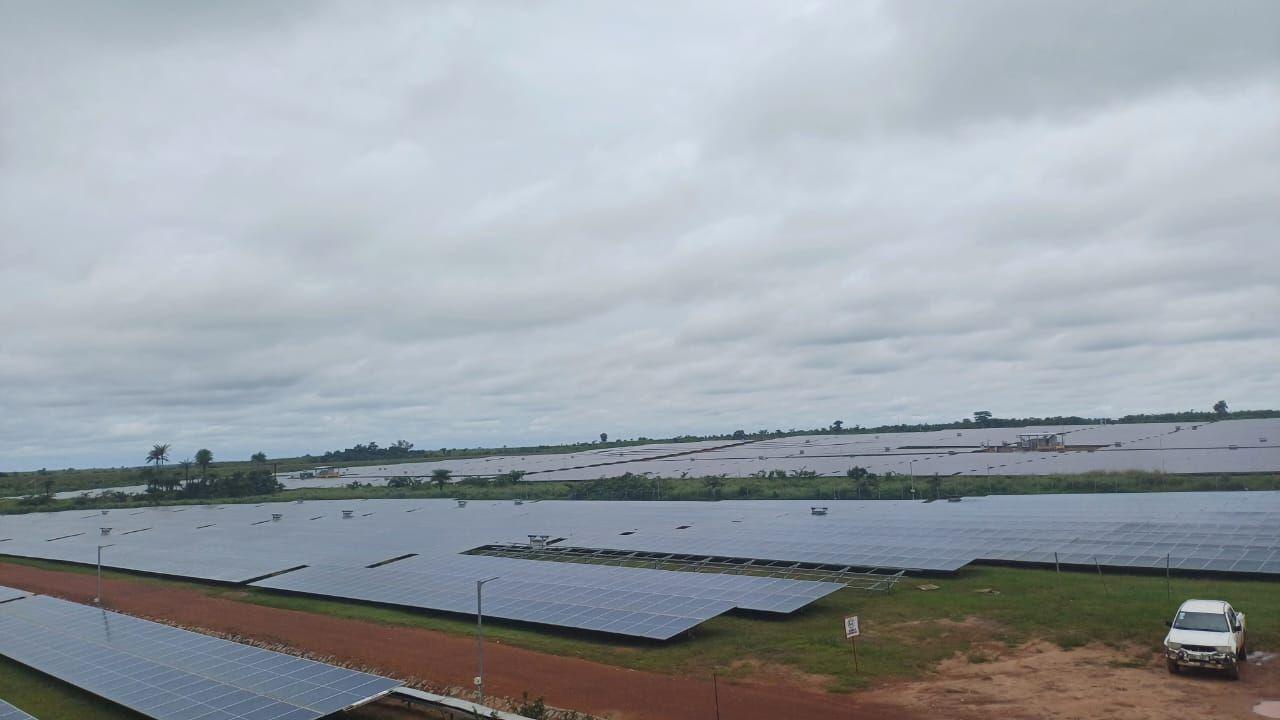
Strategic pillars & programme areas
Progress in one pillar strengthens the others.
Energy, agriculture and community development are connected drivers of rural development. We work across all three, with sustainable livelihoods as the outcome they jointly achieve.
Pillar 01
Sustainable & Inclusive Energy
Reliable, affordable and clean energy for households, public institutions and productive activities — considering both access and the economic and social opportunities that dependable power unlocks.
Reliable energy lets children study after dark, clinics keep lights and vaccines safe, farmers pump water and process produce, and small businesses grow.
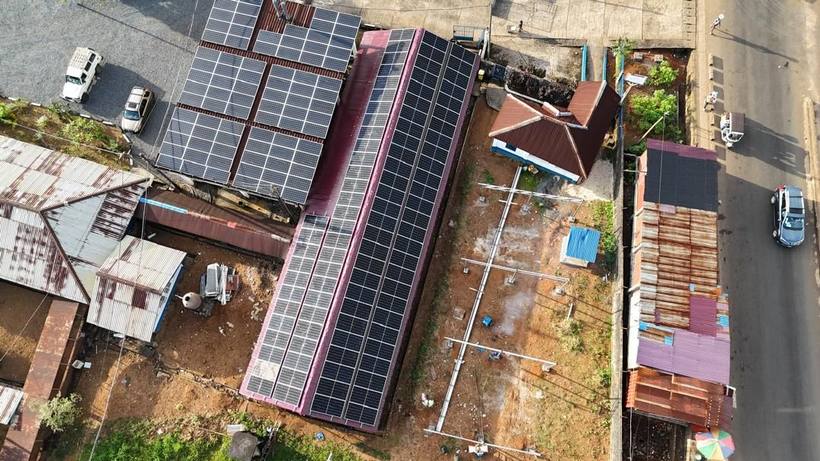
Household access
Solar home systems, household lighting and other appropriate decentralised energy solutions.
Institutions
Solar for schools, health centres, community facilities and water systems — subject to technical and needs assessments.
Productive use
Solar-powered irrigation, water pumping, cooling, agro-processing and other productive applications.
Awareness
Energy assessments and consumer education on safe, efficient and responsible energy use.
Local technicians
Training, mentorship and referral pathways for local solar technicians, installers and maintenance providers.
After-sales & maintenance
Partnerships for affordable access, repair, long-term maintenance and battery and panel take-back.
Pillar 02
Climate-Resilient Agriculture & Food Systems
We support smallholder farmers and producer groups to improve productivity, resilience, food security, value addition and market access — while managing land and natural resources sustainably.
Priority activities: Permagarden demonstration farms with vulnerable households, nutrition education, and climate-smart agriculture training for youth and farmer groups.
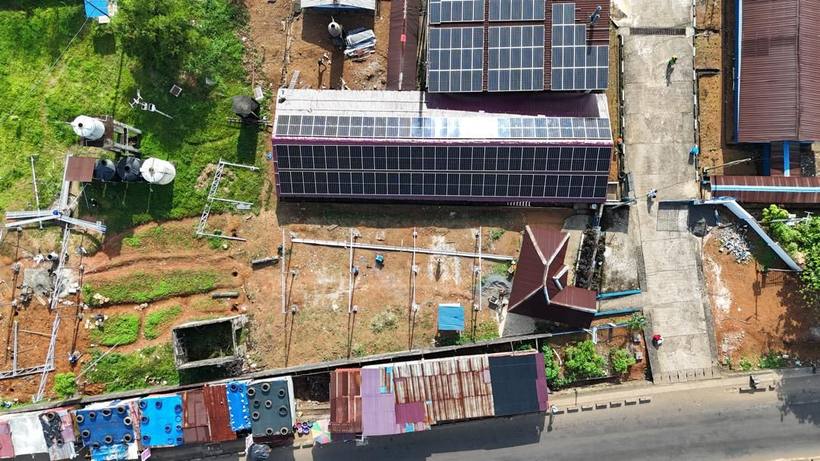
Climate-smart practice
Conservation agriculture, soil health, water conservation and appropriate crop diversification.
Small-scale irrigation
Water management linked, where feasible, to renewable energy.
Seeds & practices
Improved seeds and production practices chosen with local extension services and farmers.
Post-harvest & value
Handling, storage, aggregation, processing and packaging to reduce losses.
Groups & markets
Farmer groups, cooperatives, producer organisations and market linkages.
Livestock & land
Animal health awareness, referral to qualified vets, agroforestry and sustainable land management.
Pillar 03
Community & Local Development
We strengthen the capacities, relationships and local systems that allow communities and refugees to set priorities, take part in decisions and sustain development gains.
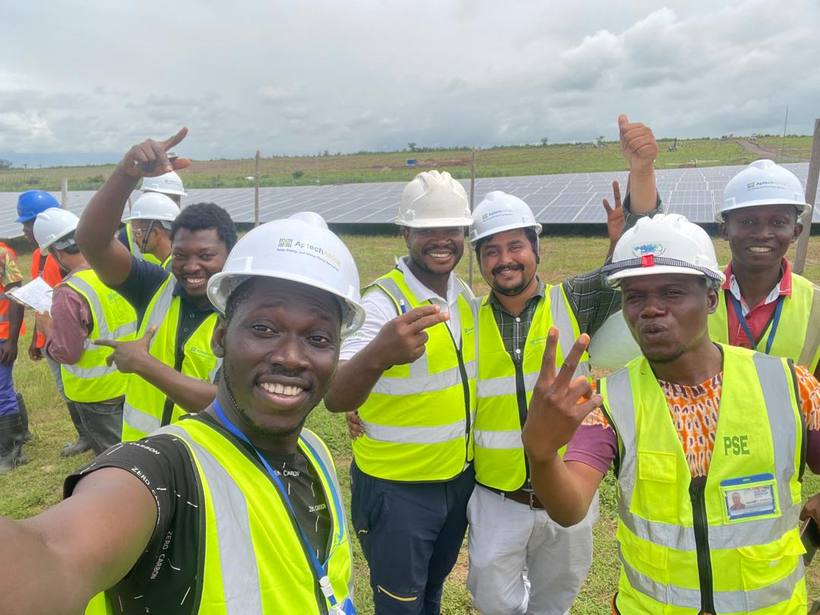
Participatory assessment
Community and refugee needs assessments, local development planning and sensitisation.
Skills
Life skills, technical and vocational learning, digital literacy and practical entrepreneurship.
Groups & savings
Community and refugee groups, savings groups and responsible financial inclusion.
Essential services
Community-led initiatives improving water, education, health and information access.
Constructive advocacy
Dialogue with district and national institutions on rural development priorities.
Voice & accountability
Local leadership, civic participation, social accountability and feedback mechanisms.
Cross-cutting outcome
Sustainable livelihoods — the result all three pillars must achieve.
Livelihoods are a strategic outcome rather than a fourth pillar: households and local enterprises building the assets, capabilities and connections to earn reliable incomes, manage risk and improve quality of life.
Enterprise & finance
Business skills, financial literacy, savings and responsible access to finance.
Youth- & women-led enterprise
Business mentoring and market connections for micro and small enterprises.
Productive energy
Renewable energy in farming, processing, retail and rural services.
Value chains
Local procurement, aggregation, processing and access to buyers.
Decent work
Apprenticeships, skills development and pathways to self-employment.
Household resilience
Diversified income, improved food security and climate-risk awareness.
Responsible by design. Every enterprise and financial-inclusion activity is delivered with qualified partners and includes consumer protection, safeguarding and risk controls — so that support strengthens families rather than adding risk.
Theory of change
How our work is expected to lead to lasting results.
Refined with baseline data and community input for every project we approve.
Inputs
Community knowledge; volunteers and members; partner expertise; seed funding and in-kind support.
Activities
Assessments; energy, agriculture and skills interventions; group formation; mentoring; partnerships.
Outputs
Households and institutions served; people trained; groups formed; systems installed and maintained.
Outcomes
Higher productivity and incomes; reliable services; stronger savings and enterprises; resilient households.
Impact
Empowered, productive and resilient rural communities with sustainable livelihoods.
Key assumptions: communities and refugees are willing to participate and co-own results; partners and qualified providers are available; local maintenance and spare parts can be sustained; markets and weather remain sufficiently stable; and safeguards prevent exclusion and harm.
Our contribution to development
Four levels of contribution.
| Level | What we will contribute | How it links to development |
|---|---|---|
| Communities | Clean, reliable energy for homes, schools, health centres and small businesses; climate-smart farming skills; savings groups; local leadership; honest feedback and accountability. | Higher, more stable incomes, food security, better services and stronger local institutions (SDGs 1, 2, 7, 8). |
| Refugees | Equal access to training, savings groups, energy and leadership roles; refugee voices on the Board and advisory groups; fair benefit-sharing with host communities. | Greater self-reliance and dignity, and stronger cohesion between refugees and hosts (SDGs 1, 5, 10, 16). |
| West Nile region | Tested, integrated models starting in Adjumani and extended across West Nile’s districts; trained volunteers, farmers and technicians; evidence shared with district planners. | Support for district development plans and healthier land, water and forests (SDGs 13, 15, 17). |
| Uganda | Practical, low-cost approaches others can copy; opportunities for young people; honest reporting to partners and government. | National priorities in Uganda Vision 2040 and the National Development Plan. |
Roadmap 2026–2040
When results are expected.
2026–27
Foundation & first projects
Registration, Board and policies in place; baselines; first energy, agriculture and skills projects launched in Adjumani.
2028–30
Prove & reach the 2030 milestone
All ten projects delivering in Adjumani; 5,000 households with clean energy; mid-term evaluation; aligned with NDP IV.
2031–35
Scale across West Nile
Proven models extended from Adjumani to other West Nile districts and settlements; technician network and farmer cooperatives strengthened.
2036–40
Deliver our Vision 2040 targets
20,000 households with clean energy, 10,000 climate-smart farmers and 2,000 certified young technicians; final evaluation and lessons shared nationally.
Cross-cutting commitments
Applied to every activity.
Gender equality & women’s economic empowerment
Youth empowerment
Climate resilience & environment
Disability inclusion & social equity
Safeguarding & human rights
Community ownership
Conflict sensitivity & do-no-harm
Know a need in your community?
Community and refugee priorities shape everything we do. Tell us what you see — every submission receives a reference you can track.